Forestry mulching
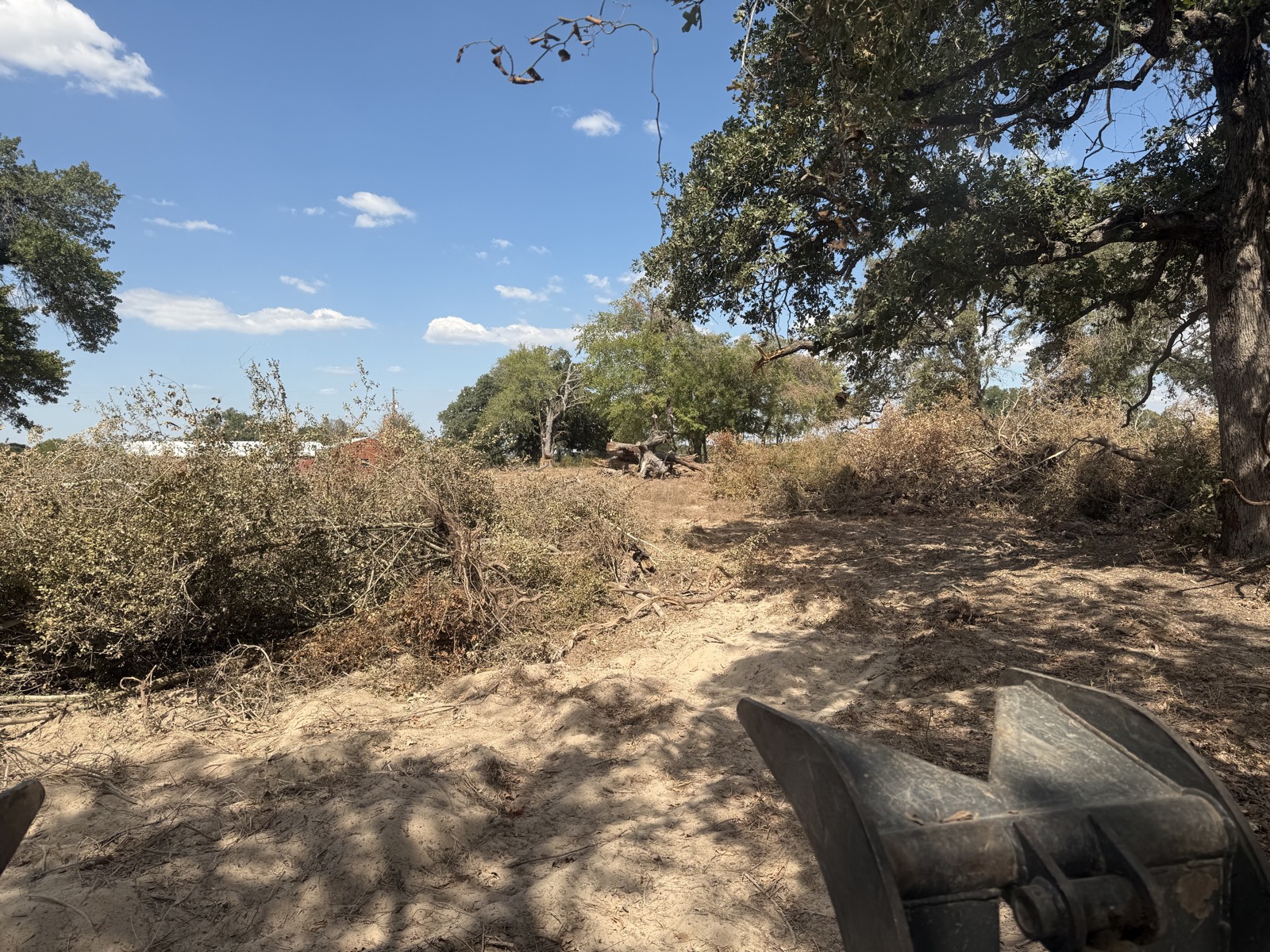
One machine grinds cedar and mesquite into a mulch bed where they stand. The topsoil stays and there is nothing to haul.
Forestry mulching →Central Texas land clearing for landowners, ranches, homesites, fence lines, utility right of way, and commercial tracts. We run maneuverable mulching equipment that gets into tight lots and wooded ground the oversized machines cannot reach, and we mulch everything in place so there is no burn pile to deal with afterward.
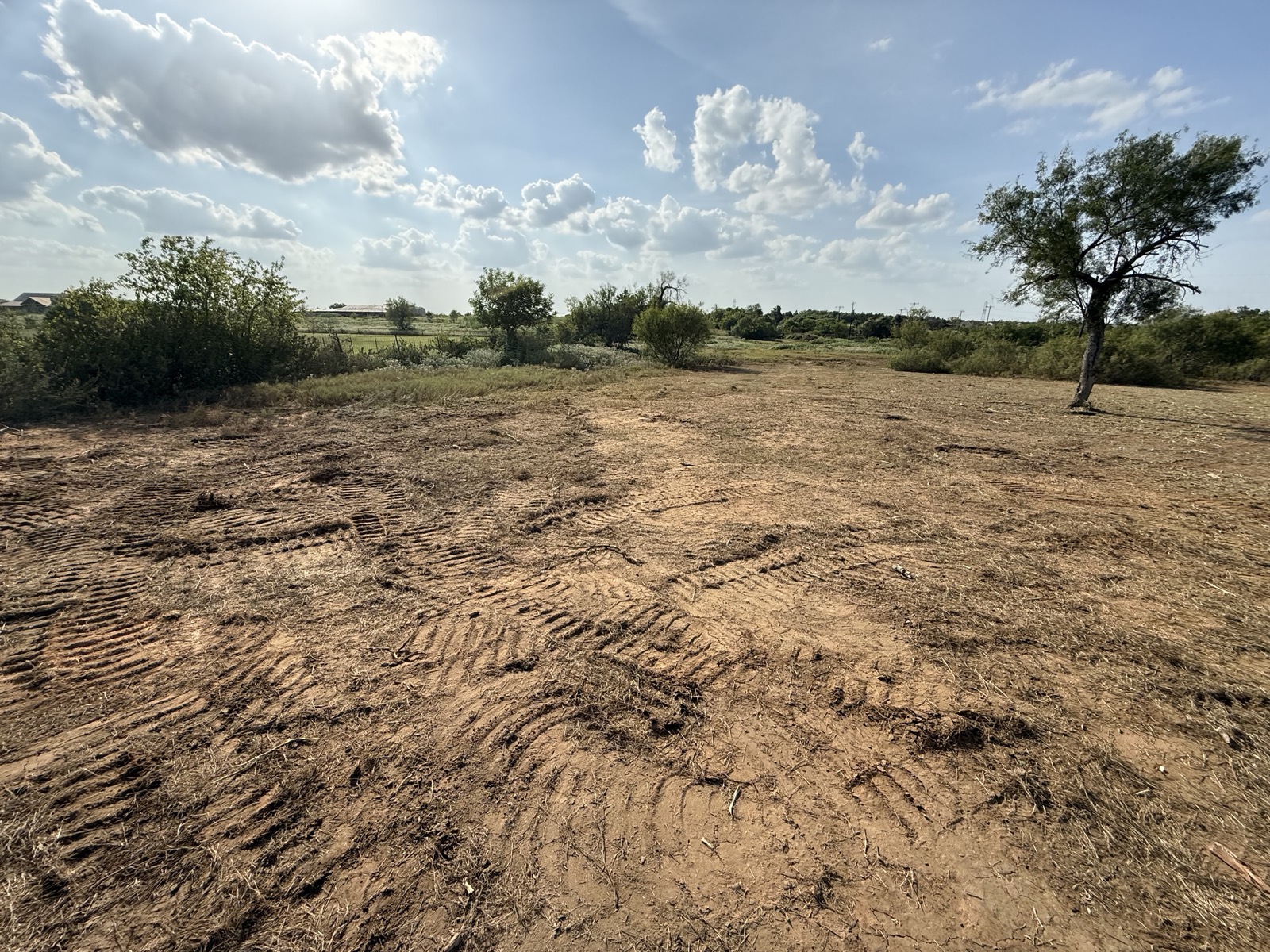
These are the three situations we get called for most. Mesquite, yaupon, and cedar do not thin out on their own, and left alone a tract gets harder to use every year.
It was pasture when you bought it. After ten years of mesquite and greenbrier you cannot drive across it, and the fence is somewhere inside.
The builder wants to stake corners and the survey crew does not want to walk it, so nothing happens until the brush is gone.
The wire disappeared into the thicket years ago, and now a neighbor, a sale, or loose cattle means somebody has to find the pins.
Most Central Texas jobs are a mulcher. Some need a grub or a pad instead, and we can usually tell which from your photos.
One machine grinds cedar and mesquite into a mulch bed where they stand. The topsoil stays and there is nothing to haul.
Forestry mulching →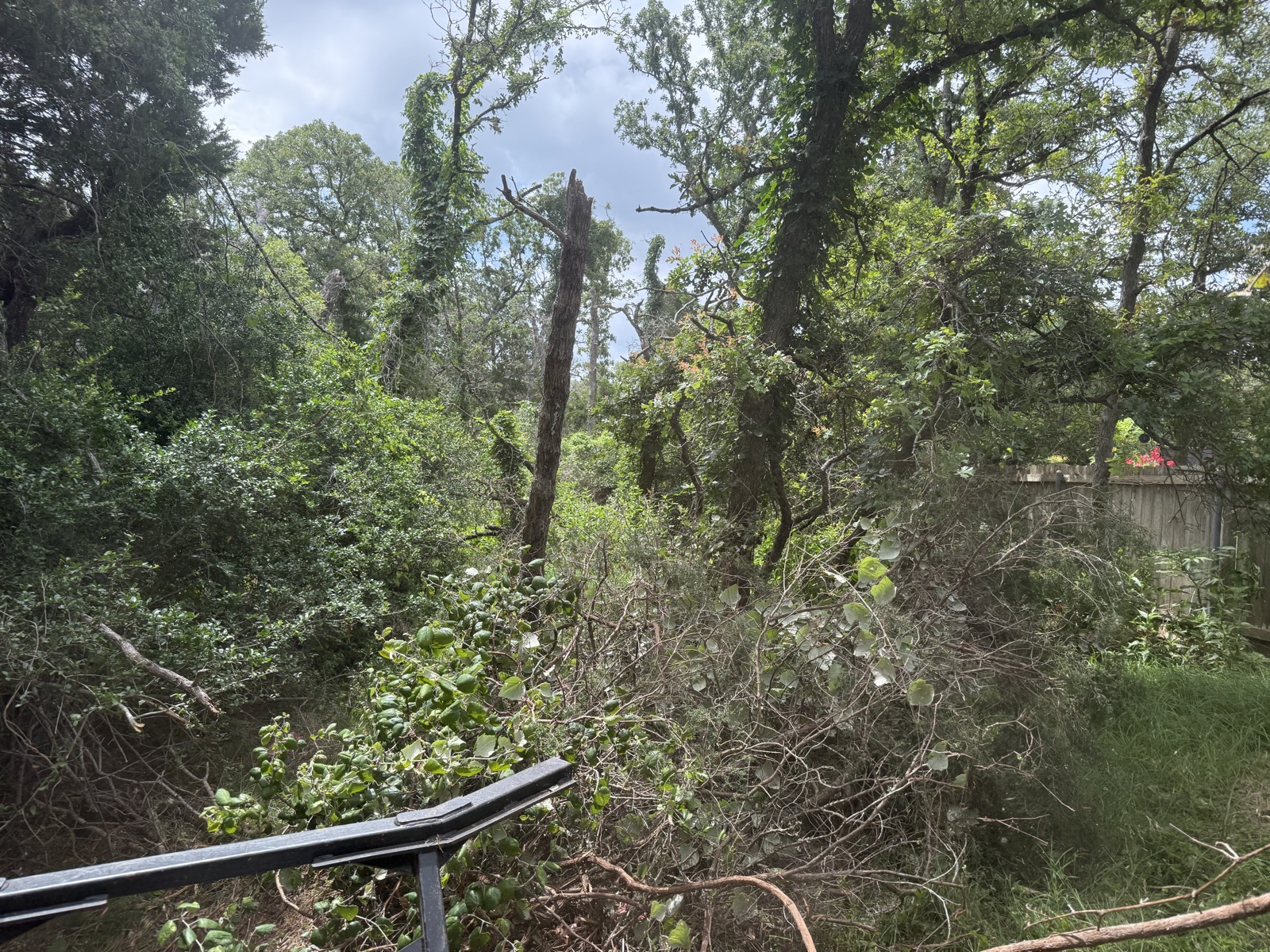
Builder lots and the overgrown one that got an HOA letter, cedar and all. We mulch it or clear it to the pad, depending on what comes next.
Lot clearing →For brush and cedar a bush hog cannot handle. We mulch the understory, or grub the mesquite if you want it gone.
Brush clearing →A corridor you can walk along the fence, cut to the pins and no farther.
Fence line clearing →Brush around the water and trees on the dam. We clear tanks; we do not build them.
Pond and tank clearing →Grading and french drain systems for tracts where gumbo clay holds water where you do not want it.
Drainage solutions →Site excavation and paving once the tract is cleared, so it is ready to build or drive on.
Excavation and paving →The soil, the brush, and the burn rules are all different here, and a crew that knows that will not rut your tract to hit a date.
Blackland gumbo. It turns greasy after rain and sets like concrete in August, so we schedule around the weather and stay off it when it is wet.
Mesquite, yaupon, huisache, greenbrier, and Ashe juniper, which everyone here calls cedar. Mesquite can crown sprout after mulching, and we tell you that before we quote.
Wilbarger and Gilleland creeks run through this side of the county, and tracts along them can carry floodplain or buffer restrictions. Check with the city or county before we start on a creek tract.
US‑290, SH‑130, the gigafactory side of town, and the edges of Whisper Valley and ShadowGlen. We drive it every week. We are not claiming a contract with anyone out there.
Travis County has a burn ban in effect more often than not. Mulching in place means there is no pile waiting on the ban to lift.
Not to scale. Travis, Bastrop, Lee, Williamson and Fayette counties.
Phone photos of the brush and the gate, plus anything you want kept. Tell us the town and roughly how many acres.
We call back with a day rate range. If it turns out to be one backyard oak, we will tell you that is a tree service job.
On site we flag the trees you are keeping, the fence line, and any wet spots, and you get a firm day count before the machine shows up.
The brush becomes a mulch bed and the soil stays put. There is no burn pile and nothing to haul.
Every job here lists the acreage and the day count, with our own photos.
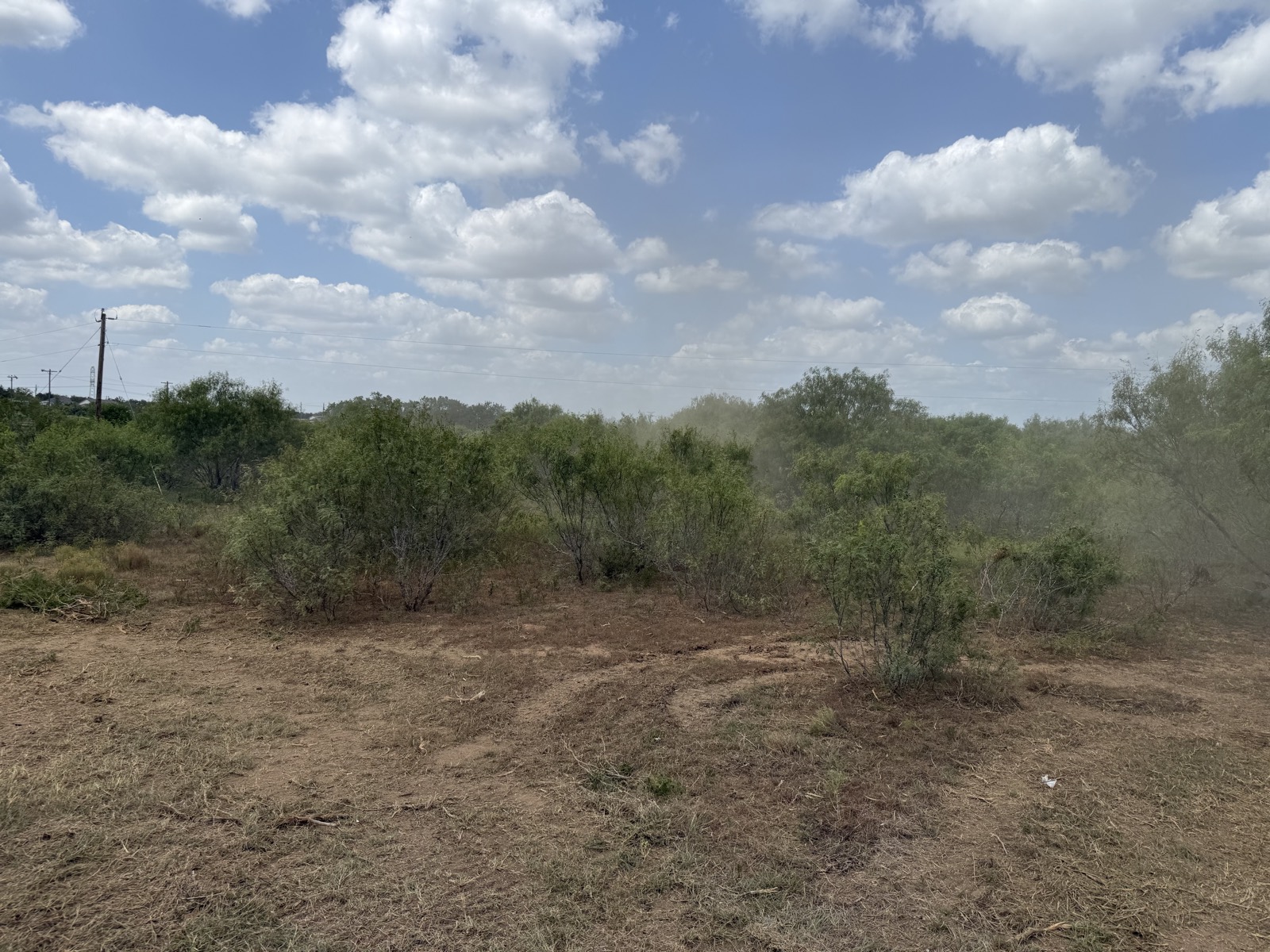
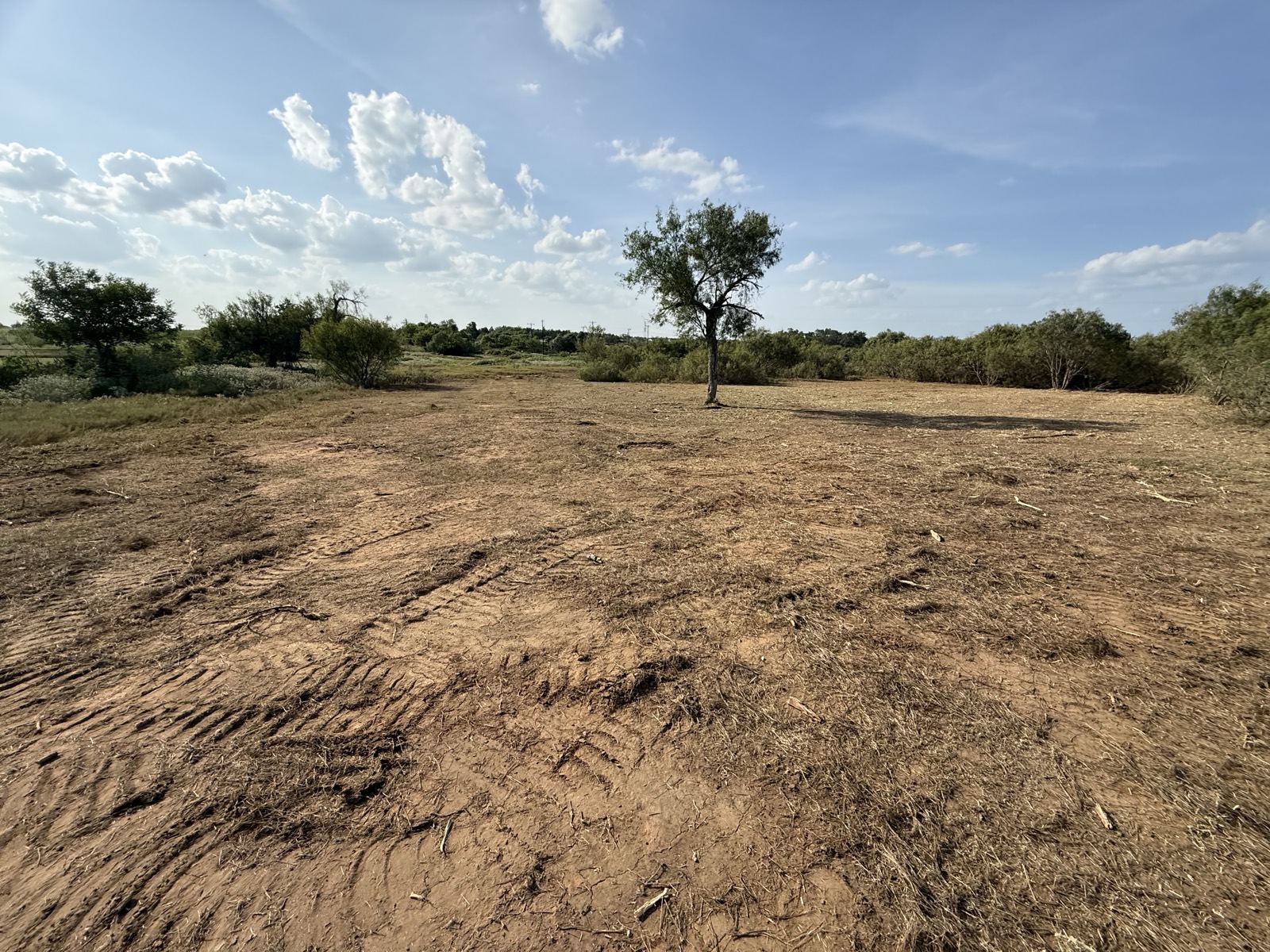
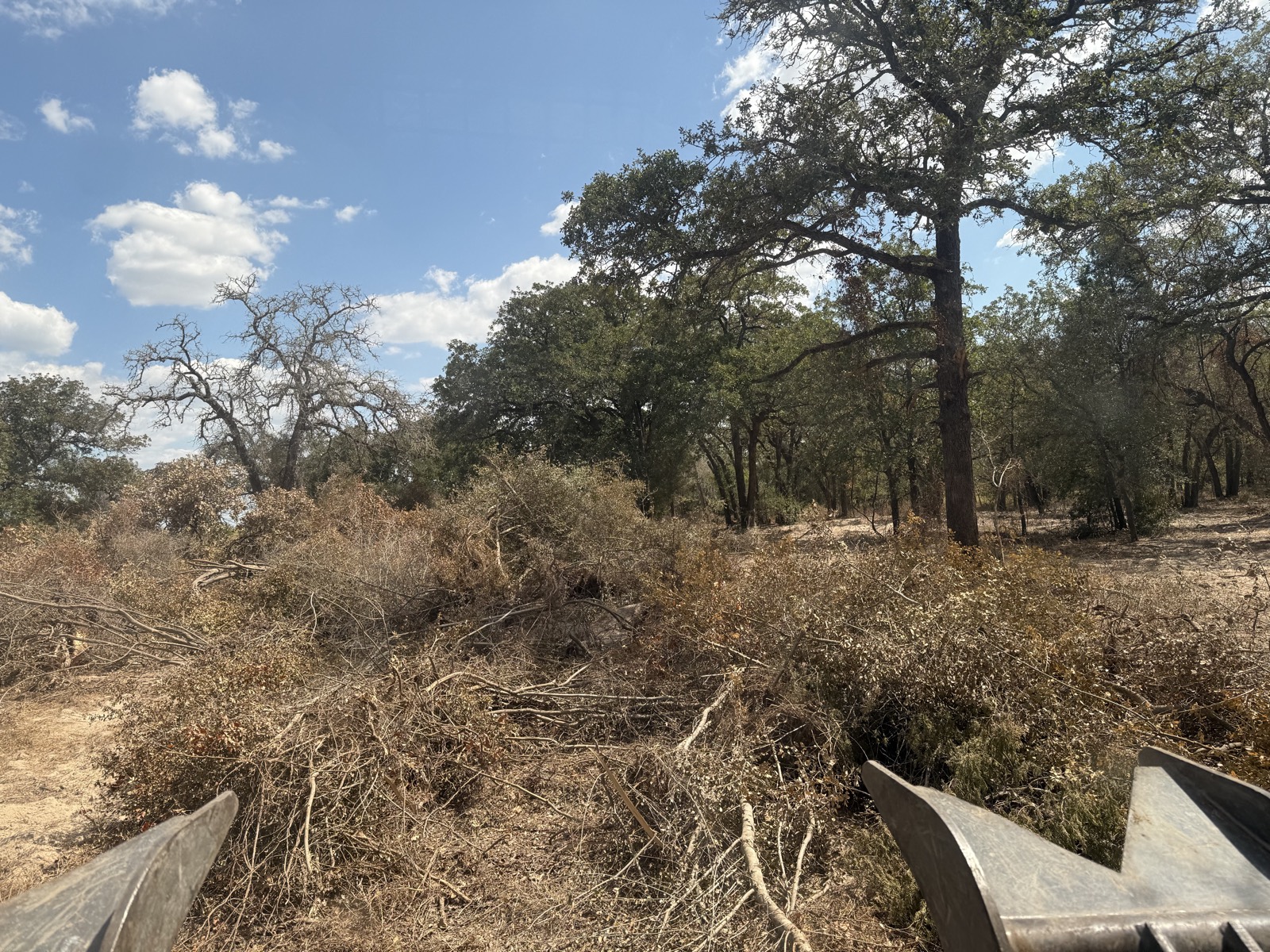
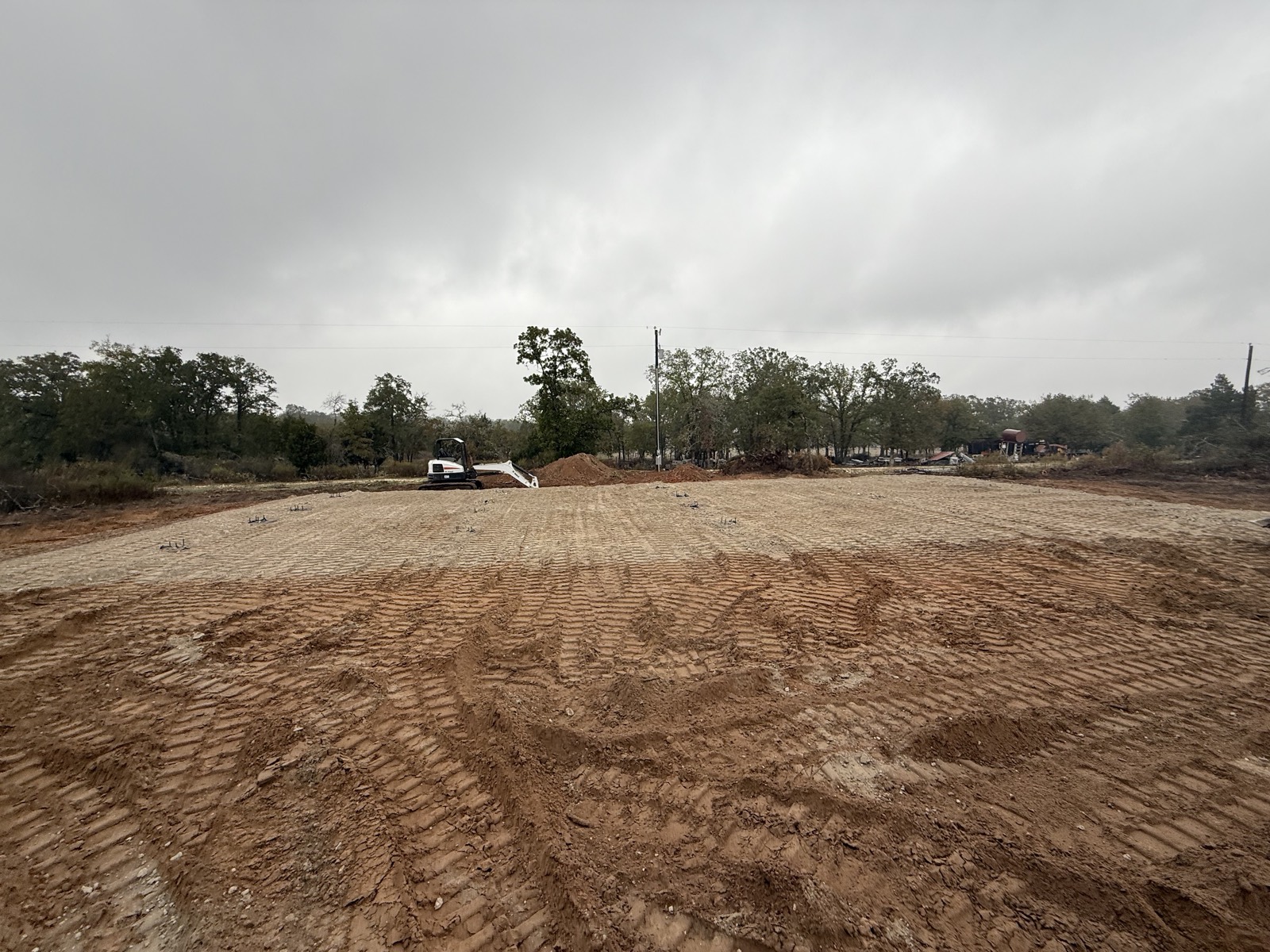
Travis, Bastrop, Lee, Williamson, and Fayette counties. If your tract is in one of them and not listed here, send photos anyway.
Crews here bid by the day, not the acre. How dense the brush is, how you get to it, and whether the clay is wet all change the number.
| Job type | Observed band |
|---|---|
| Land or lot, Central Texas | $2,500 to $3,600 / day |
| Forestry mulching, Central Texas | $2,500 to $4,500 / day |
| Forestry mulching, hourly | $150 to $300 / hour |
Our quote comes from photos of your tract, not from that table. Full cost guide, permits, and burn rules →
Crews bid by the day. Google's overview on Aug 24, 2026 showed $2,500 to $3,600 per day for land and lot work and up to $4,500 per day for forestry mulching. A per acre price is a guess until somebody has seen the brush.
We send a range from your photos, then a firm day count after the walk.
Often no. County burn bans are common and the City of Manor has its own rules on top of them. Because we mulch in place there is nothing to burn.
Mulching grinds the vegetation where it stands and leaves the roots and topsoil in place. A dozer strips it and pushes it into piles, which on gumbo means ruts and a pile to burn.
A dozer or excavator still wins when you need roots out or a pad rough graded. We say which one the job is.
Sometimes. Floodplain along Wilbarger and Gilleland, heritage tree rules, and wetland buffers can apply. Ask the City of Manor or Travis County before we start. We are not your permit office, and we flag tracts that look like they need one.
It can. Mesquite crown sprouts from the root. Mulching knocks it down and opens the pasture; a follow up grub or spot treatment is what keeps it down. We do not promise a one pass kill because that is not how mesquite works.
Then you want a tree service, and we will say so on the phone. We only take trees and stumps as part of a tract we are already clearing.
Usually a few dry days. Gumbo turns to grease after rain, and we would rather push the date than rut your tract. We tell you the weather risk when we quote.
We look at the photos and call back with a ballpark, or with a no if it is a job for someone else.
Clearline Land ServicesWe'll look at the photos and call. If it's a tree only job (one backyard oak), we'll say so.